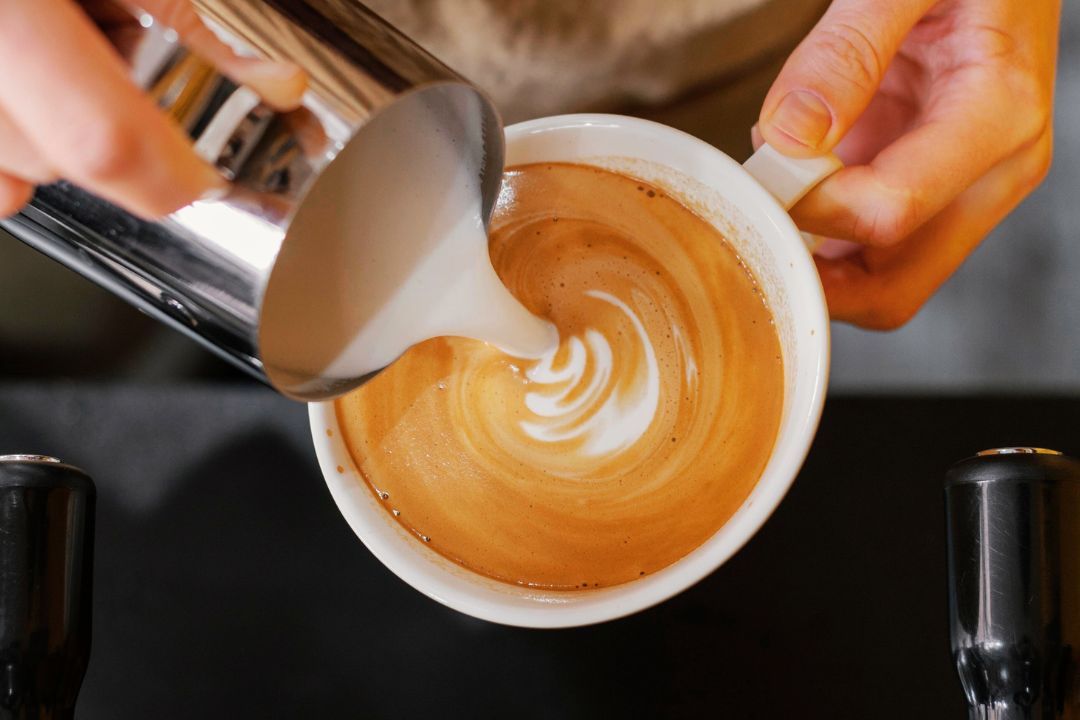
Cappuccino: The Centuries-Old Drink That Conquered the World
Cappuccino is one of the most popular and globally recognized coffee drinks, with a rich history dating back to the early 20th century in Italy.
Origin of the Name
The name “cappuccino” derives from the brown robes and white shaved heads of the Capuchin friars, whose appearance resembled the color of the drink when dark espresso is mixed with white milk foam.
The Traditional Italian Recipe
An authentic Italian cappuccino follows a strict 1/3-1/3-1/3 proportion in a 150-180ml cup:
- 1/3 espresso: The concentrated and aromatic base
- 1/3 steamed milk: Heated to 60-65 degrees Celsius
- 1/3 milk foam: Creamy and velvety
This balanced proportion is fundamental to creating the perfect drink.
Cultural Context
In Italy, cappuccino holds a specific cultural role:
- Traditionally consumed at breakfast
- Accompanied by croissants
- Avoided after dinner due to the milk content
- An integral part of the Italian morning ritual
Global Evolution
The drink gained worldwide popularity mainly through large coffeehouse chains in the United States, generating countless variations that frequently stray from the original recipe.
Fun Facts
- National Cappuccino Day: November 8th in the United States
- Annual Championship: London hosts a competition dedicated to the art of cappuccino
- World Record: In 2013, Italians created the largest cappuccino in the world with an impressive 4,250 liters
Conclusion
Cappuccino is more than a drink — it’s a cultural experience that combines tradition, technique, and flavor. Although it has evolved and adapted in different countries, its essence remains rooted in the rich Italian coffee tradition.