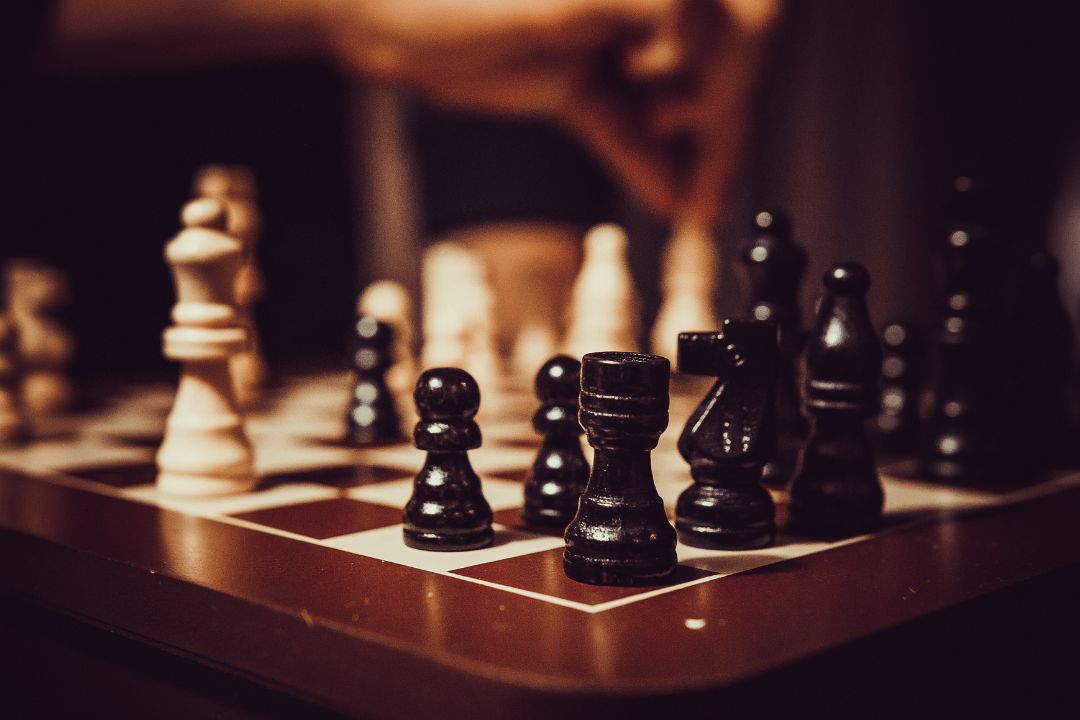
Chess is an ancient activity that combines strategy, concentration, and mental development.
Origin and History
Chess likely originated in India in the 6th century, derived from a game called chaturanga. Initially an activity for four participants, it evolved into a duel between two players when it was adopted by Persia. The expression “checkmate” has Persian origins: “shah mat,” meaning “the king is dead.”
Through trade routes and Muslim empires, the game spread across Europe and Asia, becoming highly valued by military nobility. During the Middle Ages, the pieces began to represent the medieval social structure. The first international tournament took place in London in 1851.
French coffeehouses of the 18th century were fundamental in popularizing chess, serving as gathering places for master players and encouraging the formation of clubs.
Benefits for the Mind
Scientific research confirms that chess is an excellent tool for improving mental health and intellect, even helping in the prevention of Alzheimer’s and Schizophrenia.
Key benefits:
- Concentration - The game demands intense focus, training attention
- Confidence - Early losses build resilience
- Problem Solving - Exercises diverse strategies
- Self-Control - Develops determination and emotional control
Chess in Foz do Iguacu
Espaco QI started hosting tournaments seven years ago with just ten participants. Today, the events attract around 130 simultaneous players and have reached approximately 3,000 athletes.
Want to play chess in a pleasant environment? Consciencia Cafe hosts tournaments and casual games regularly!