Coffee Cultivation: What Does It Take for Good Production?
The Two Main Coffee Species
The article distinguishes between two main coffee plant species:
Coffea arabica
Predominantly cultivated in Latin America, producing smoother, more flavorful, and aromatic beverages.
Coffea canephora (Robusta)
A more resistant and affordable species with twice the caffeine content, commonly used in commercial coffees.
Environmental Requirements for Coffee Cultivation
Successful coffee production depends on specific climate conditions:
Temperature
Ideally 18-22 C (Robusta tolerates up to 24 C).
Rainfall
600-1500mm annually, well distributed.
Altitude
600-1200m ideal for specialty coffee.
Humidity
Balanced levels to prevent pests and diseases.
Topography
Flat terrain preferred for cost efficiency.
Cultivation Processes
Soil Preparation
Requires correction, fertilization, and adequate spacing between seedlings for quality production and mechanical harvesting efficiency.
Planting
Uses certified seedlings; manual or mechanical methods with planting during rainy seasons.
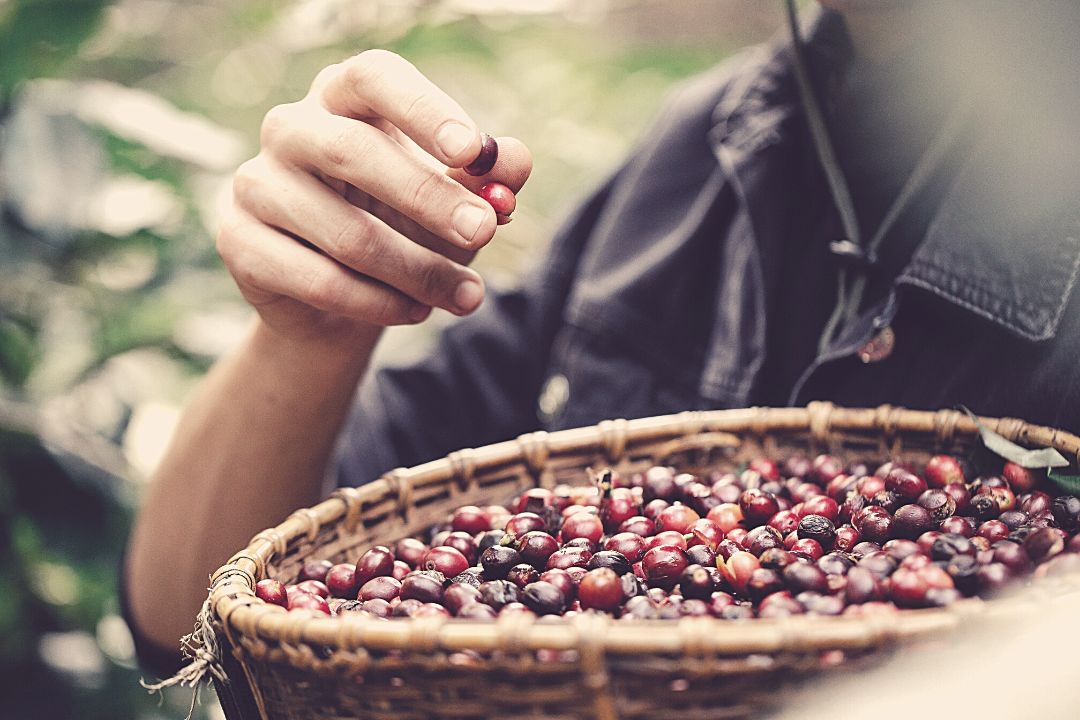
Harvesting
Begins 3-4 years after flowering through three methods - manual approaches (preferred for specialty coffee), semi-mechanized, or fully mechanized.