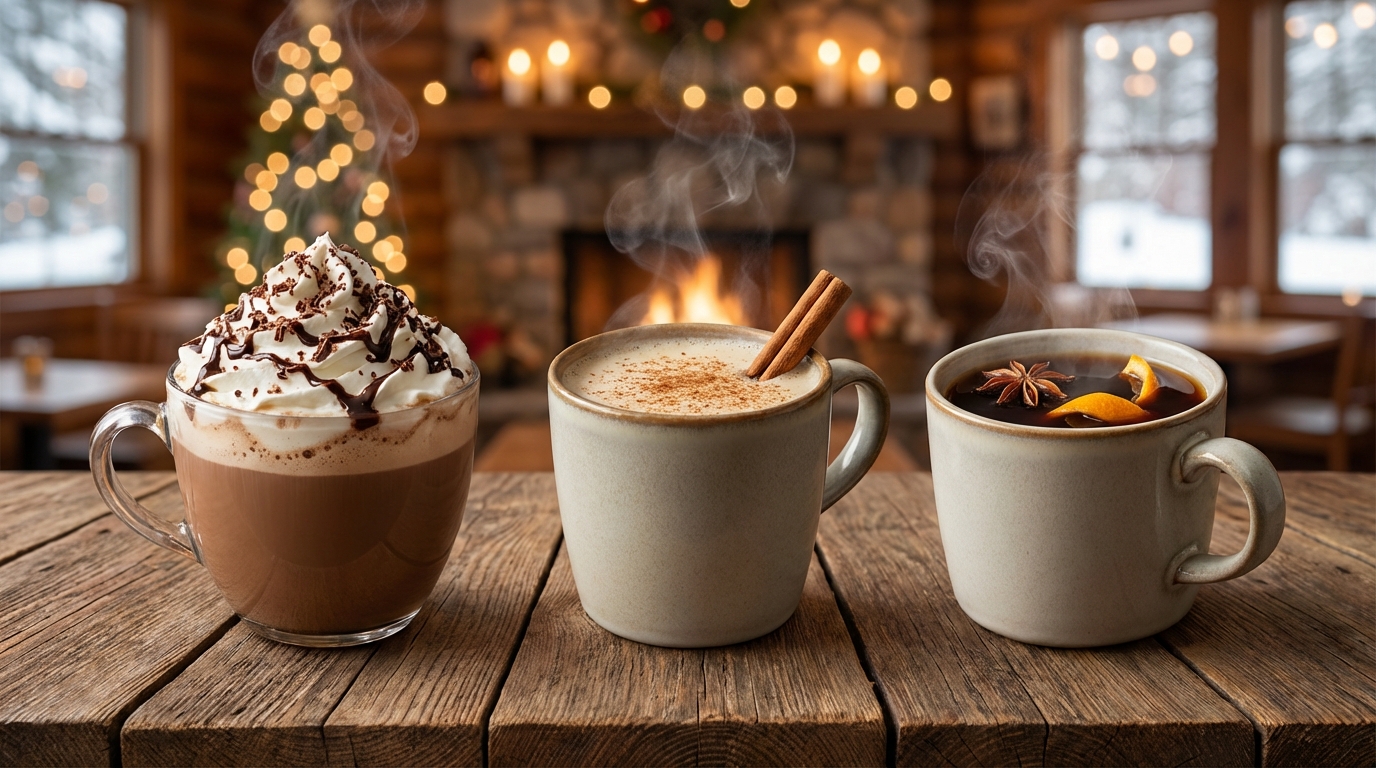
Winter and Coffee: Special Hot Drinks for Cold Days
When temperatures drop in Foz do Iguacu — the gateway to Iguazu Falls and the Triple Border of Brazil, Argentina, and Paraguay — something wonderful happens in coffee cups. The cold invites experimentation beyond pure espresso, bringing spices, chocolate, and techniques that turn every sip into an experience of warmth and comfort. At Consciencia Cafe, winter is our favorite season for creation, and our seasonal menu reflects that passion.
Artisan Mocha: Chocolate Meets Specialty Espresso
A mocha is, at its core, the union of two worlds: the complex bitterness of specialty coffee and the enveloping sweetness of chocolate. But there is an enormous difference between an industrial mocha and a handcrafted one.
How we build ours
We start with a double espresso pulled from specialty beans with a medium roast that preserves fruit and caramel notes. The chocolate does not come from powder or syrup: we use real chocolate melted in a double boiler, with at least 50% cacao content. The difference in flavor is immediate.
The milk is steamed to between 60 and 65 degrees Celsius — the range where proteins create that creamy, velvety texture without burning the natural sugars. Assembly follows a deliberate order: chocolate at the bottom, espresso poured over it to integrate, and steamed milk last, creating layers of flavor that reveal themselves with each sip.
Why this combination works so well
Science explains part of the magic. Cacao contains theobromine, a stimulant gentler than caffeine, and when combined with coffee it creates a sense of alertness without jitteriness. Additionally, the fats in chocolate act as a vehicle for aromatic compounds in coffee, intensifying flavor perception on the palate.
Fresh Spice Chai Latte
Chai has roots in India, where the word simply means “tea.” What we know in the West as a chai latte is an adaptation combining black tea with spices, milk, and in our version, a touch of coffee.
Fresh spices make all the difference
When we say fresh spices, we mean exactly that: no industrial powders. Each batch of our chai begins with:
- Cinnamon sticks: broken fresh to release essential oils with a more intense aroma and less bitterness than ground cinnamon
- Fresh ginger: grated or thinly sliced, bringing genuine spiciness and warmth
- Cardamom: lightly crushed to open the seeds, adding a complex and refreshing floral note
- Cloves: in moderate quantity, contributing depth and a subtle numbing sensation
- Star anise: a single star perfumes the entire drink with its sweet, licorice-like aroma
The infusion is made slowly, over low heat, for at least fifteen minutes. This allows each spice to release its aromatic compounds at the right time — ginger first, then cinnamon, and finally the florals of cardamom.
The coffee version
For those who want the best of both worlds, we add an espresso shot to the chai latte. The result is surprising: the spices complement the coffee notes rather than competing with them. Ginger’s spiciness highlights natural acidity, while cinnamon harmonizes with caramel and chocolate notes.
Cinnamon and Clove Coffee: Grandma’s Recipe, Gourmet Style
Every Brazilian family has a version of this recipe — coffee strained through cloth, with a cinnamon stick tossed in and perhaps a forgotten clove at the bottom of the pot. The emotional memory is powerful, and it deserves to be honored with quality ingredients.
From grandma’s pot to the specialty cup
The principle is the same: coffee, cinnamon, cloves. But execution makes all the difference.
We start with freshly roasted beans ground to order at a medium grind. The cinnamon is not added after brewing but during it: a piece of cinnamon stick goes directly into the filter alongside the ground coffee. Hot water between 92 and 96 degrees Celsius simultaneously extracts compounds from the coffee and essential oils from the cinnamon, creating an integration that no spoonful added later can replicate.
Cloves enter even more subtly. Two or three cloves are lightly crushed and placed at the bottom of the cup before receiving the brewed coffee. The heat of the drink activates the volatile oils, releasing aroma without dominating the flavor.
The finishing touch
A tiny pinch of freshly grated nutmeg on top of the foam transforms the drink from “spiced coffee” into something resembling a sophisticated dessert. Nutmeg contains myristicin, a compound that in small doses contributes a warm, woody aroma.
Seasonal Menus: Why Change with the Seasons
Specialty cafes around the world work with seasonal menus, and there is a solid reason beyond marketing.
Your palate changes with the weather
Research in sensory science shows that our perception of flavor is influenced by ambient temperature. In cold weather, we tend to prefer more intense, sweet, and spiced flavors. The body craves calories and warmth, and the brain associates spices and chocolate with comfort and satiety.
Furthermore, beverages at higher temperatures release more volatile aromatic compounds, meaning a steaming cup literally has more aroma than one at room temperature.
What changes in our winter menu
At Consciencia Cafe, winter brings several temporary additions:
- Artisan mocha: real chocolate with double espresso and steamed milk
- House chai latte: slow infusion with fresh spices, available with or without coffee
- Gourmet grandma’s coffee: brewed with cinnamon and cloves, served in a large cup
- Special hot chocolate: fine cacao, whole milk, a touch of vanilla
- Espresso with honey and ginger: for the coldest days, a shot with natural spice and sweetness
Each drink is developed to work with our current specialty beans, respecting the roast profile and sensory notes of each lot.
Tips for Warming Up Your Coffee at Home
You do not need to wait for a cafe visit to try winter combinations. Some practical tips:
- Preheat your cup: fill it with hot water, wait a minute, discard. Your coffee will hold its temperature much longer
- Whole spices, always: ground cinnamon in coffee turns lumpy and bitter. Use the stick, which can even be reused two or three times
- Milk at the right temperature: heating milk to a boil destroys the proteins that create creaminess. The sweet spot is when it starts to steam, between 60 and 65 degrees Celsius
- Quality chocolate: a bar of 50-70% cacao chocolate, melted, is worth more than any powdered cocoa mix
- Honey instead of sugar: honey adds complexity and harmonizes better with spices than refined sugar
Winter as an Invitation to Experiment
The cold slows us down, and that is a good thing. On short winter days, an elaborate cup is not a luxury — it is a moment of pause, of caring for yourself. Each spice added, each technique applied, is a way of transforming the everyday into something special.
Specialty coffee already carries natural complexity. When combined with quality ingredients and prepared with intention, it becomes something that warms far beyond the body.
Visit Consciencia Cafe this winter and discover our seasonal menu. Whether you are exploring Iguazu Falls or the Triple Border, warm up with a cup crafted to turn cold days into moments of comfort and flavor.