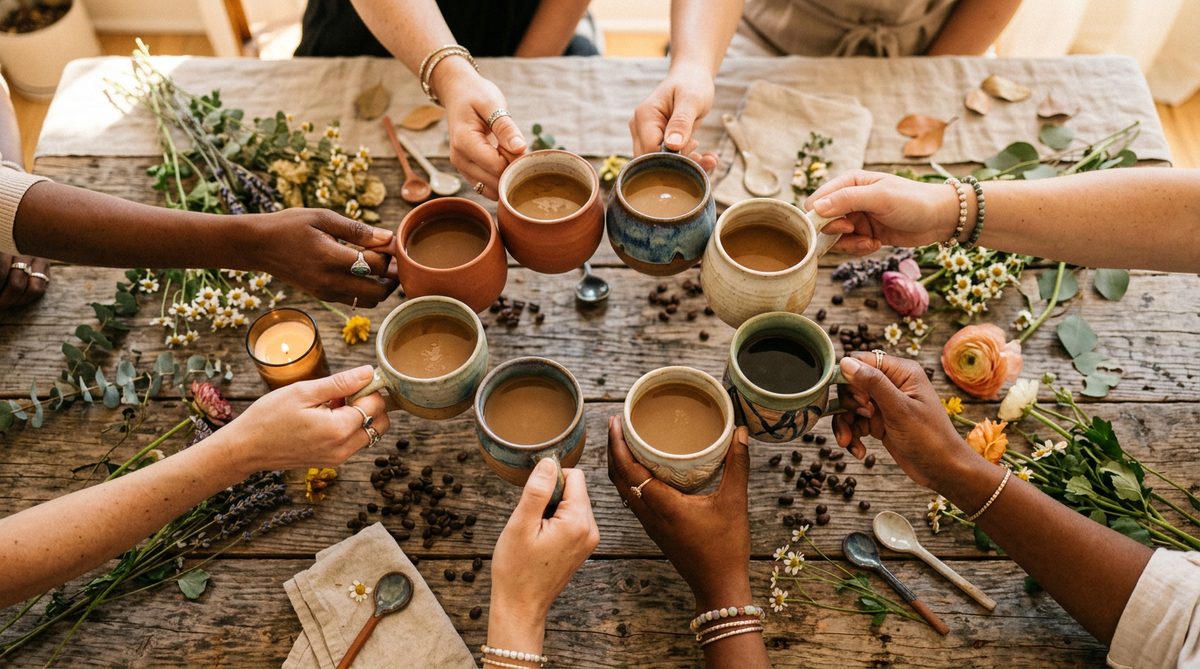
Behind every cup of coffee you drink, there’s a story — and many of those stories were written by women. From a German housewife who solved an everyday problem to a professional who revolutionized an entire industry, women have shaped coffee in ways most people never hear about. Here are 8 curiosities that will change the way you look at your next cup.
She invented the coffee filter
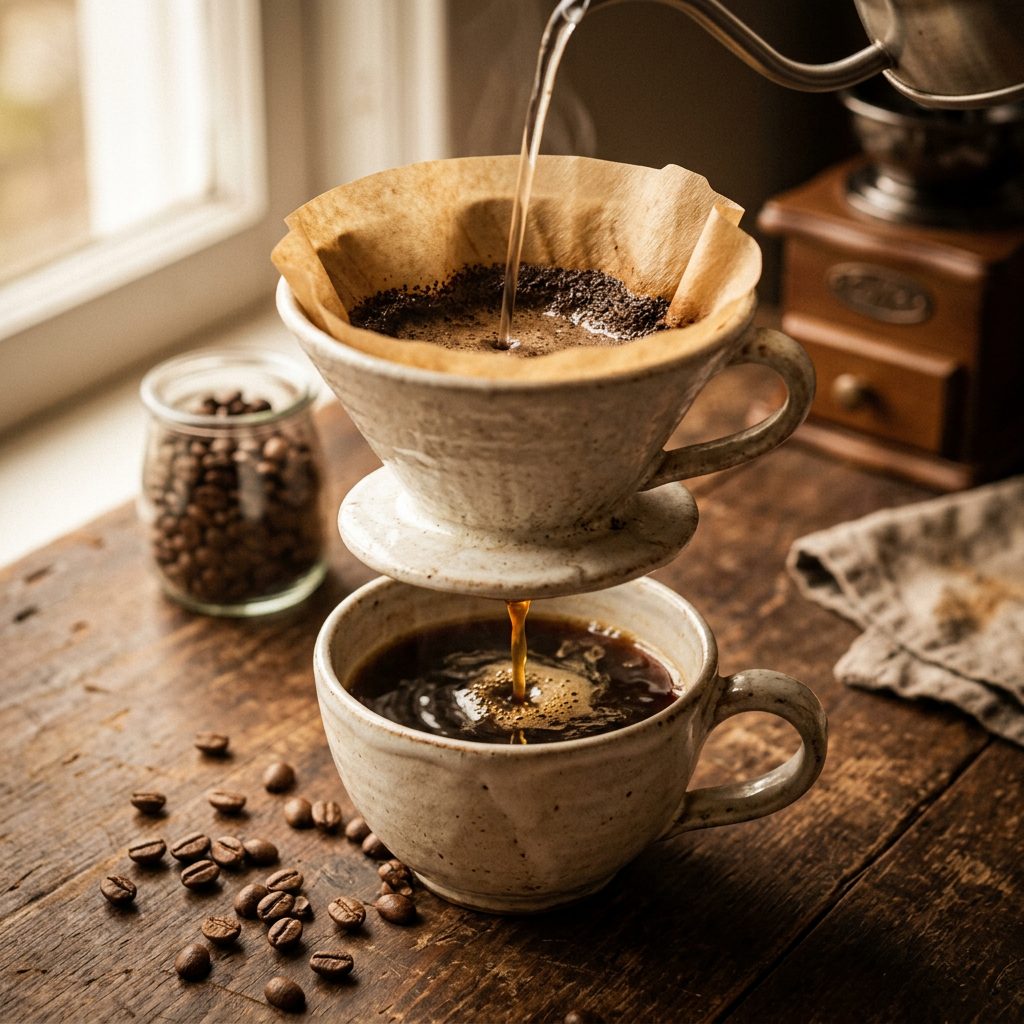
In 1908, in Dresden, Germany, a housewife named Melitta Bentz was tired of finding grounds at the bottom of her cup. At the time, coffee was brewed by boiling the grounds directly in water — and the result, let’s be honest, left much to be desired.
Melitta’s solution was as simple as it was brilliant: she took a piece of blotting paper from her son’s school notebook, placed it over a punctured brass pot, and poured the coffee through it. It worked perfectly. Melitta patented her invention, founded the company that bears her name, and today Melitta is one of the world’s largest coffee brands. It all started with a mother who wanted a cleaner cup of coffee.
The petition against coffee
In 1674, a group of London women published a now-famous document: the Women’s Petition Against Coffee. The reason? Their husbands were spending so much time in coffeehouses — which were exclusively male spaces at the time — that they came home, in the petition’s own words, “as useless as the grounds of the coffee.”
The complaint was serious, but the tone was delightfully ironic. The women protested that coffee was turning their husbands into “dry and unproductive” men. The petition didn’t have its desired effect — the coffeehouses remained packed — but the document became one of the most entertaining records of the relationship between coffee and society.
The sacred coffee ritual
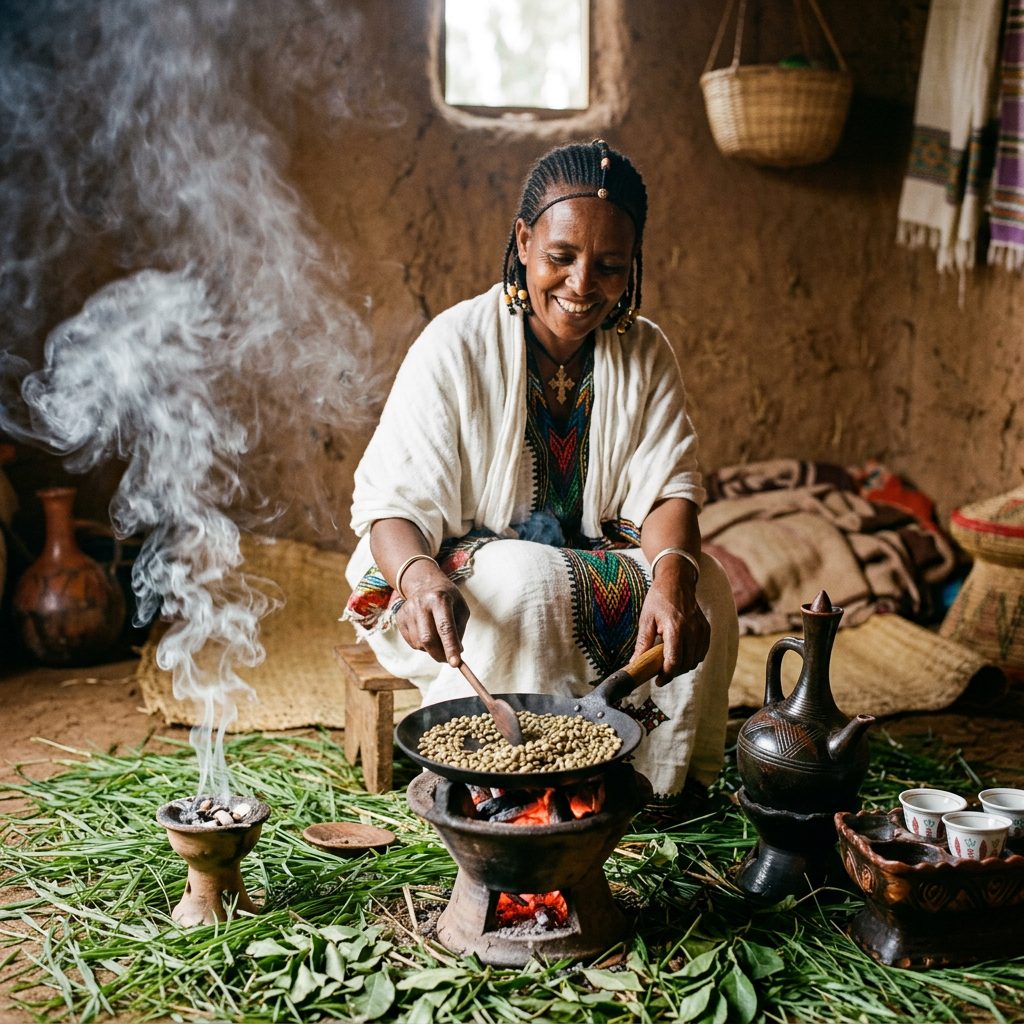
In Ethiopia, the birthplace of coffee, there’s a tradition that has survived for centuries: the coffee ceremony, or buna. And it is led exclusively by women.
The ritual lasts up to three hours. The hostess begins by roasting green coffee beans on a flat pan over charcoal while burning frankincense. She then grinds the beans with a wooden mortar and pestle and brews the coffee in a jebena, a traditional clay pot. The coffee is served in three rounds — abol, tona, and baraka — each carrying spiritual significance: from initial socialization to a final blessing. Declining an invitation to a coffee ceremony is considered deeply disrespectful. It’s hospitality in its purest form.
She coined the term “specialty coffee”
In 1974, the coffee market was dominated by men. Erna Knutsen, a Norwegian-American professional, had been working in the industry for years when she wrote an article for the Tea & Coffee Trade Journal. In it, she coined the term specialty coffee for the first time — describing beans from specific microclimates that produced unique, superior flavors.
The idea that coffee could be treated with the same care and sophistication as wine was revolutionary. Erna opened the doors for the entire third wave of coffee, the movement that values origin, roasting, brewing, and traceability. Every time you order a specialty coffee, you’re using the vocabulary she created.
They harvest the world’s coffee
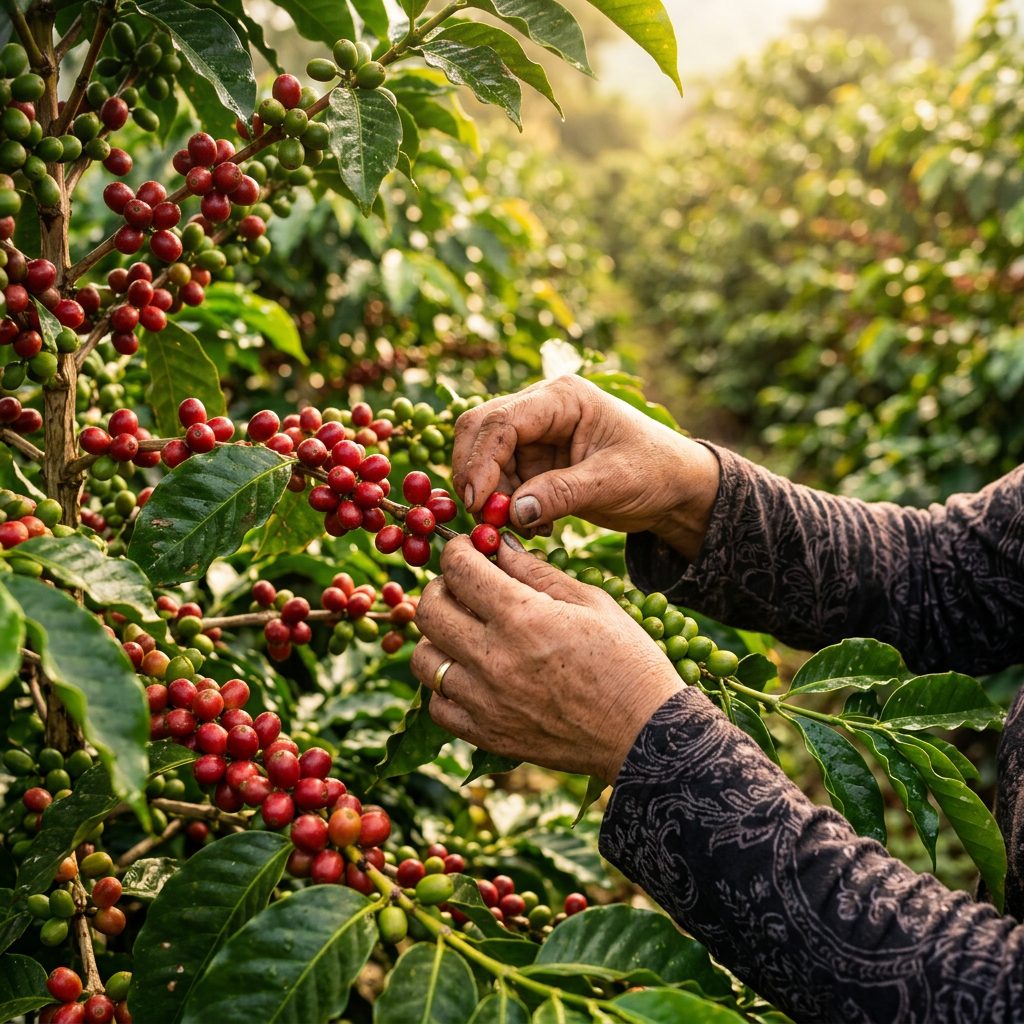
Here’s a fact most people don’t know: women make up as much as 70% of the workforce in coffee harvesting around the world. They’re the ones selecting ripe cherries, sorting out defective beans, and ensuring the quality that reaches your cup.
Yet less than 20% of coffee-growing land is owned by women. This inequality in land access limits their decision-making power, access to credit, and ability to invest in quality. Every cup we drink has women’s hands in its story — from seed to ripe cherry — and recognizing this is the first step toward a fairer market.
Cooperatives changing the game
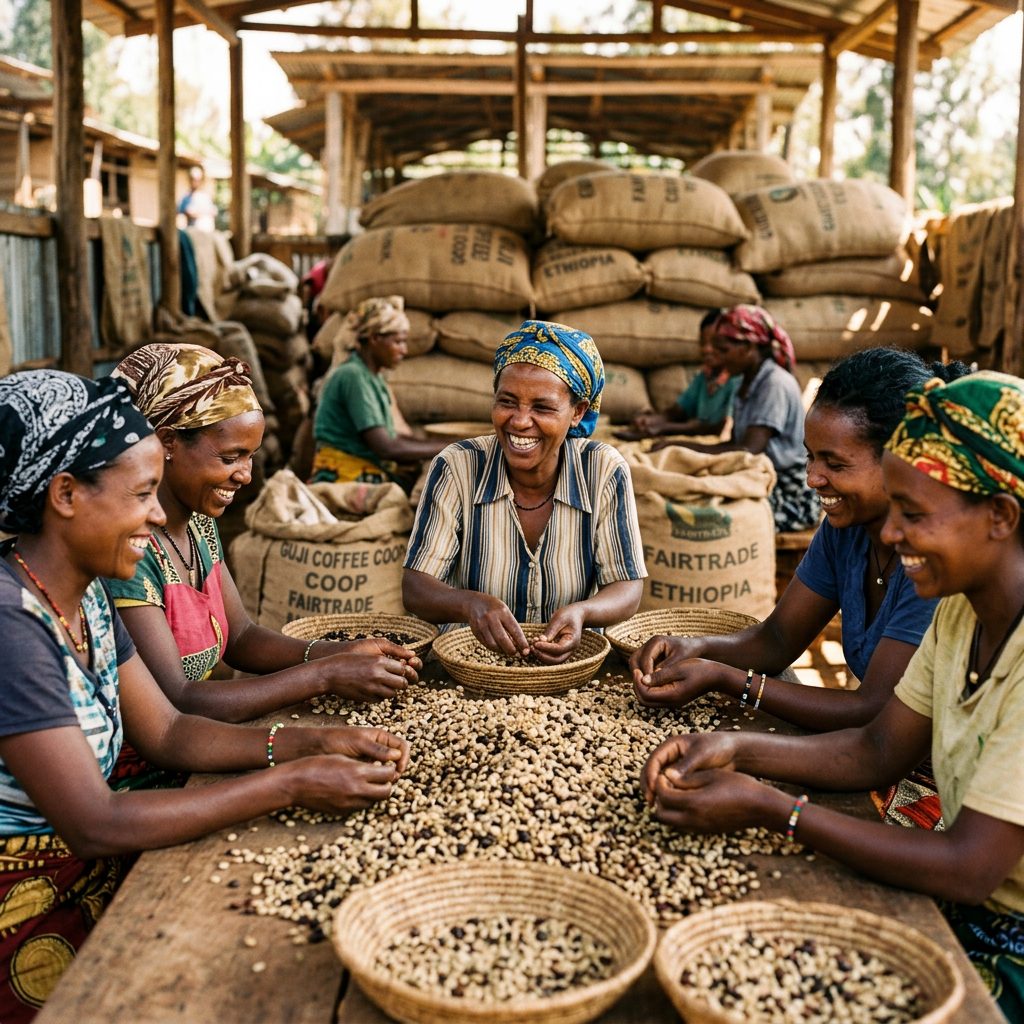
In Rwanda, after the 1994 genocide, widowed women found in specialty coffee a path to rebuild their lives and entire communities. Cooperatives like Dukunde Kawa now export internationally award-winning beans — and are led almost entirely by women.
In Colombia, women-led cooperatives in the Huila and Nariño regions produce coffees with exceptionally high SCA scores. In Brazil, female producers from the Cerrado Mineiro and Mantiqueira de Minas regions win quality awards year after year. These are women challenging a historically male-dominated industry and proving that coffee excellence knows no gender.
Coffee takes care of you

If you’re someone who can’t start the day without coffee, science has good news. A Harvard study followed over 50,000 women for a decade and found that those who drank two to three cups per day had a 20% lower risk of developing depression compared to non-coffee drinkers.
Additionally, coffee is the largest source of antioxidants in the Western diet — surpassing even fruits and vegetables in many studies. The polyphenols in coffee beans help fight oxidative stress and inflammation. Moderation is always important, of course, but your daily cup may be doing more for your well-being than you realize.
A toast to them
From the housewife who invented the coffee filter to the Rwandan cooperative that rebuilt an entire community, women have always been at the heart of coffee’s story. Often behind the scenes, almost always without the recognition they deserve — but always present, always transforming.
On this International Women’s Day, every cup is a toast to them.
Know a woman who deserves to hear these stories? Share this article with her. And if you’re ever visiting the Iguazu Falls region in the Triple Border of Brazil, Argentina, and Paraguay, come enjoy a specialty coffee at Consciência Café — because every great conversation deserves a great cup.